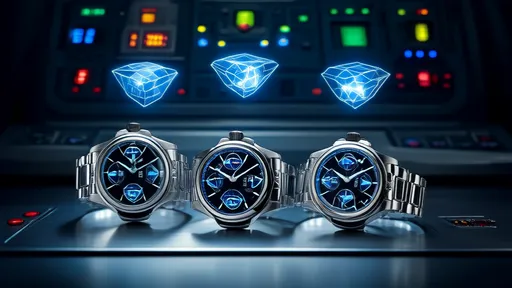
Remember those chunky, beeping digital watches your dad might have worn? The ones with the red LED numbers that looked like they were stolen from a spaceship control panel? They're back, and they're cooler than ever. The unmistakable aesthetic of 1960s and 70s space-age tech is experiencing a massive revival, moving from nostalgic novelty to a legitimate trend in modern horology and fashion. It’s a blast from the past that feels surprisingly fresh.
This isn't just about a few reissued models. We're seeing a full-blown renaissance. Brands are digging deep into their archives, and new micro-brands are emerging, all dedicated to capturing that specific futurism. The original Pulsar, the Hamilton PSR, and even Casio's vintage lines are being sought after with a fervor usually reserved for luxury Swiss timepieces. The appeal is multifaceted; it's a combination of retro charm, bold design statements, and a tangible connection to an era of boundless optimism about technology and exploration.
So, what exactly defines this look? It’s all about the stark, utilitarian feel of early digital displays. We're talking about bright red or amber LED or LCD screens, often requiring a button press to illuminate, conserving that precious battery life. The cases are typically chunky, crafted from brushed or polished stainless steel, with integrated bracelets that hug the wrist. The shapes are geometric—rounded squares, perfect circles, or asymmetrical trapezoids—all echoing the instrumentation of Apollo missions and sci-fi films like 2001: A Space Odyssey.
The cultural moment is perfectly primed for this comeback. In our world of sleek, minimalist smartwatches that all look eerily similar, there's a growing hunger for personality. A vintage-inspired digital watch makes a statement. It’s unapologetically analog in a digital world, a piece of wearable history that doesn't try to hide its origins. It says you're into design, you have a sense of humor about tech, and you don't need a device on your wrist to track your sleep cycles.
Beyond just aesthetics, there's a tactile pleasure to these watches that modern devices lack. That satisfying *click* of the side buttons, the warm glow of the LEDs against the dark screen, the solid weight of the metal case—it’s an experience. It’s tech you can feel. This stands in stark contrast to the silent, touch-screen swiping of a contemporary smartwatch, offering a more deliberate and engaging interaction with time itself.
For those looking to buy into the trend, the market is richer than ever. On the affordable end, brands like Casio continue to produce faithful renditions of their 80s classics, which share much of the same DNA. The mid-range is where the action is, with companies like Bulova re-releasing iconic models and new players like Undone offering customizable vintage-digital designs. For the high-end collector, original pieces from brands like Seiko and Omega from the era are becoming increasingly valuable, a solid investment in a piece of design history.
Integrating this style into a modern wardrobe is part of the fun. The beauty of these statement pieces is their versatility. A chunky steel digital watch can elevate a simple jeans-and-t-shirt outfit, adding a hit of retro-futuristic cool. Conversely, it can look intentionally ironic and fashion-forward when paired with a sharp suit, breaking up the formality with a pop of personality. It’s a conversation starter, a piece that invites questions and compliments.
This trend is more than a fleeting fashion moment; it's a re-appreciation of a pivotal point in design history. It reminds us of a time when the future was bright, bold, and beeped. In choosing to wear one of these timepieces, you're not just telling time—you're wearing a piece of optimism. So go ahead, press that button and light up the past. The future has never looked so good.

By Sophia Lewis/Nov 13, 2025

By Natalie Campbell/Nov 13, 2025
By Emily Johnson/Nov 13, 2025

By Olivia Reed/Nov 13, 2025

By Megan Clark/Nov 13, 2025
By Eric Ward/Nov 13, 2025
By Thomas Roberts/Nov 13, 2025
By Noah Bell/Nov 13, 2025

By Laura Wilson/Nov 13, 2025
By Eric Ward/Nov 13, 2025
By Natalie Campbell/Nov 13, 2025

By Grace Cox/Nov 13, 2025
By Noah Bell/Nov 13, 2025
By George Bailey/Nov 13, 2025

By Amanda Phillips/Nov 13, 2025
By Laura Wilson/Nov 13, 2025

By Eric Ward/Nov 13, 2025

By Christopher Harris/Nov 13, 2025
By Grace Cox/Nov 13, 2025
By Ryan Martin/Nov 13, 2025