Remember when we used to carefully match our metals and stick to one texture per outfit? Those rules feel as outdated as last season's color palette. The new wave of layering embraces contrast, celebrates mixed materials, and invites personal expression over rigid guidelines. I've watched this shift happen in real-time with clients who once feared "getting it wrong" now confidently stacking mismatched bracelets and combining pearls with leather.
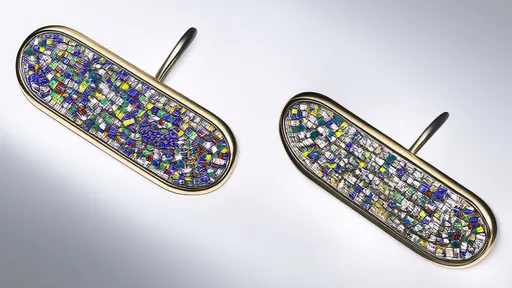
Let's start with the foundation: metal mixing. The old rule about sticking to one metal family has officially retired. The secret isn't about randomly throwing silver and gold together—it's about creating intentional connections. Try linking pieces through similar design elements rather than matching metals. A hammered gold cuff can beautifully complement a brushed silver ring if both share organic textures. Or bridge the gap with a two-tone piece that incorporates both metals, creating a natural transition between your other jewelry.
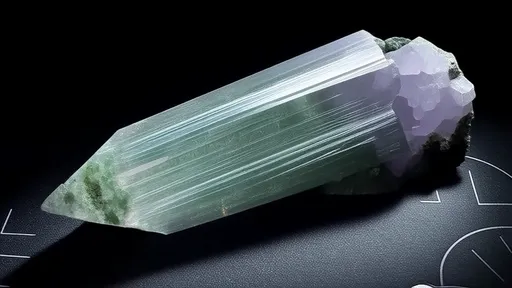
Texture contrast has become the unsung hero of modern layering. Think about combining pieces with dramatically different surfaces—a smooth, polished pendant layered with a rough, raw stone necklace creates visual interest that pulls the eye through your entire composition. I recently styled a client with a sleek titanium chain alongside a rope-textured gold necklace, and the combination made both pieces stand out more than they would have alone. The key is varying the scale of textures rather than matching them.
When it comes to chain layering, length variation matters more than ever. The most successful combinations typically use three different lengths—one sitting close to the neckline, another at the collarbone, and a longer piece resting on the chest. This creates distinct visual layers rather than a tangled cluster. For those new to this approach, start with delicate chains in these three lengths before experimenting with heavier statement pieces.
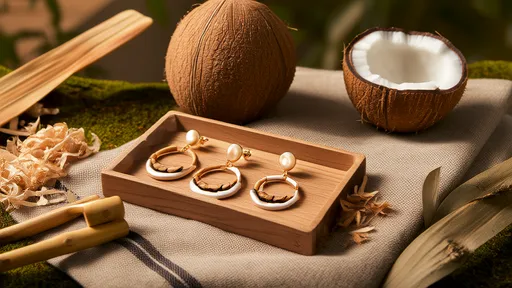
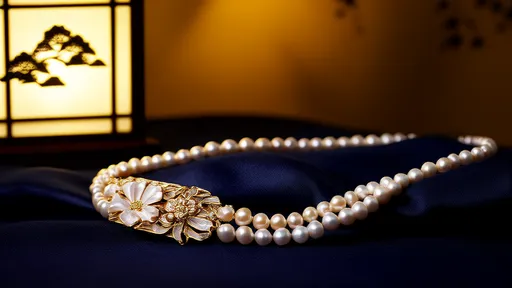
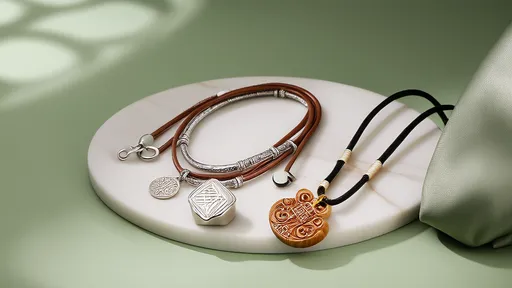
Material experimentation has expanded far beyond traditional metals and gems. I'm seeing incredible combinations of wood with resin, ceramic with metal, and even glass with leather. The unifying factor isn't the material itself but the story these pieces tell together. One fashion-forward client mixes her grandmother's vintage pearls with contemporary acrylic bangles—the contrast honors tradition while embracing modern aesthetics. Don't be afraid to incorporate unexpected materials that reflect your personal journey.
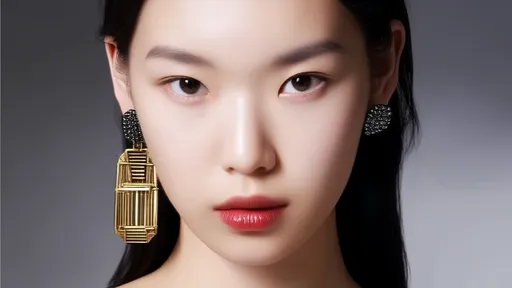
Proportion balancing might be the most challenging aspect for many layering enthusiasts. The common mistake? Choosing pieces that compete rather than complement. If you're wearing substantial earrings, consider more delicate necklaces. When stacking multiple rings, vary their widths and heights across different fingers. I often advise clients to create "focal points" rather than distributing visual weight evenly—this creates intentional styling rather than chaotic accessorizing.
Beyond the physical pieces themselves, successful layering connects to your overall silhouette and clothing textures. A chunky knit sweater calls for simpler, longer necklaces that won't get lost in the fabric, while a crisp button-down shirt provides the perfect canvas for multiple delicate chains. Consider how your jewelry interacts with your outfit's neckline, sleeve length, and fabric weight—these relationships can make or break your layered look.
The emotional dimension of layering often gets overlooked in technical discussions. The most compelling combinations frequently emerge from pieces that hold personal significance rather than strictly following style rules. I've noticed clients who choose jewelry based on meaning rather than matching create more authentic and interesting combinations. That childhood charm bracelet might just be the perfect contrast to your modern minimalist pieces if it tells your story.
Maintenance becomes crucial when wearing multiple materials together. Different metals and gems require specific care, and wearing them simultaneously means being mindful of potential damage. Store pieces separately, clean them according to their material needs, and be aware of which combinations might cause scratching or tarnishing. A little practical knowledge preserves both your jewelry and your carefully curated layered aesthetic.
The new rules of layering ultimately come down to confidence and personal expression. What makes contemporary layering so exciting is its rejection of perfection in favor of character. The slight imperfections—the way chains naturally settle together, the occasional clinking sound of mixed metals, the personal narrative woven through disparate pieces—these become features rather than flaws in your accessorizing story.
Start experimenting with one unconventional combination this week. Mix that inherited piece you've been saving for special occasions with your everyday favorites. Layer textures you normally wouldn't pair. The most memorable styling moments often come from breaking old rules and discovering what resonates with your unique aesthetic journey.
By Sophia Lewis/Nov 13, 2025
By Natalie Campbell/Nov 13, 2025
By Emily Johnson/Nov 13, 2025

By Olivia Reed/Nov 13, 2025
By Megan Clark/Nov 13, 2025

By Eric Ward/Nov 13, 2025
By Thomas Roberts/Nov 13, 2025
By Noah Bell/Nov 13, 2025
By Laura Wilson/Nov 13, 2025
By Eric Ward/Nov 13, 2025

By Natalie Campbell/Nov 13, 2025

By Grace Cox/Nov 13, 2025

By Noah Bell/Nov 13, 2025
By George Bailey/Nov 13, 2025
By Amanda Phillips/Nov 13, 2025
By Laura Wilson/Nov 13, 2025
By Eric Ward/Nov 13, 2025
By Christopher Harris/Nov 13, 2025
By Grace Cox/Nov 13, 2025
By Ryan Martin/Nov 13, 2025